maintenance-lifts
October 3, 2024

What do you have to take into account for a correct elevator maintenance service?

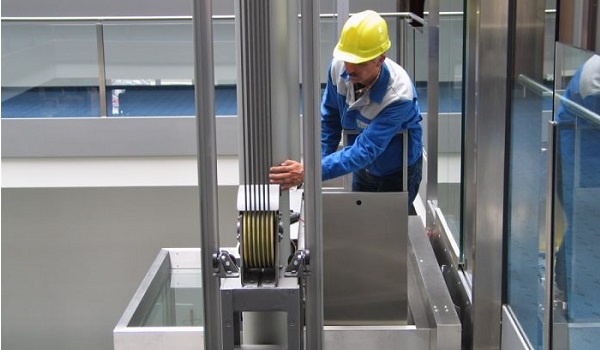
Elevator maintenance services are usually the task of professionals in the area and experts in this kind of machinery. Such maintenance ensures not only the optimal functioning of this mechanical displacement system, but also guarantees the safety of those who use this instrument on a daily basis.

Regardless of whether you are the one who is going to perform the maintenance of the elevator you are interested in, it is necessary to take into account certain aspects that encompass the elevator maintenance service. In this way, you (as a civilian or expert on the subject), you can objectively evaluate whether a good job is being done in that elevator that you use daily or not.

elevator maintenance

Considerations for proper elevator maintenance service

In order to carry out a successful elevator maintenance service, the person in charge of this service must perform a correct inspection of the elevator, taking into account the following considerations:

  • The place where the elevator is located: In most of the regulations for elevators, the number of revisions to be made to the elevator is influenced by the place where the elevator is located. If the elevator to be maintained is located in a house or building, this will affect the number of services that will have to be done per year, thus having the following approximate times:
    • If the elevator is installed in a single-family house and its speed does not exceed 0.15 m/s, a maintenance check must be made every 4 months.
    • If it is an elevator with up to four stops that is installed in a building for public use, then the maintenance review period will be 6 weeks.
    • For all other elevators, inspections should be made at least once a month.
  • The coverage that includes the elevator: It is normal to find maintenance contracts when it comes to residential elevators. It is essential to consider it (in case it exists) in order to verify all the maintenance that must be performed.
  • What are the characteristics of the elevator: The price of elevator maintenance and the type of maintenance being performed are also very important aspects to consider prior to the maintenance of an elevator. This is the only way to determine what type of maintenance actions are most important to perform!
  • The maintenance budget: Although for this there are companies and elevator maintenance contracts, the reality is that an unforeseen event that goes outside the maintenance budget may occur. So it is advisable to consider what it really costs to maintain an elevator and verify that the price is commensurate with what is being done in this particular device.

If you take into account these aspects prior to performing maintenance on an elevator, you could have more confidence and certainty that the service performed is being carried out in the best possible way.

Most common maintenance work for elevators

In general terms, the following elevator maintenance jobs can be found to be among the most general:

  1. Cleaning the pit: The pit is the lowest part of the duct through which the elevator moves. It tends to get dirty because of the garbage that falls through the space between the elevator door and the floor. This space must be cleaned daily to avoid bad odors and the proliferation of flies or pests!
  2. Electricity in the elevator: Elevators are machines that work with electricity. It is necessary that they receive a sufficient electrical dose so that they can move and do their work in the best possible way. Therefore, good elevator maintenance will always include electrical light testing to determine that the elevator is receiving sufficient power.
  3. Revision of the brake: Brakes are the main wear part in an elevator. Therefore, it should be the main thing to check and maintain in case there is any malfunction. At this point, we can also mention key aspects to check in an elevator when it is going to do maintenance:
    • Elevator skid condition.
    • Cable tension.
    • Revision of the cabin doors.
    • Revision of the elevator guards.
  4. Elevator stops: Modern elevators usually have a special system to stop any action of the elevator in case of failure (with or without people inside). Therefore, in the event of elevator maintenance, it is necessary to check the reasons why the elevator has stopped and correct them if necessary.

In addition, within the routine maintenance of elevators, the following inspections should be performed at least once a year:

  • Cleaning of the imitator, roof and cabin.
  • Re-leveling check.
  • Checking the insulation and fastening of the cabin.
  • Analysis of leaks in hoses and pipes.
  • Check for piston leaks and the condition of the seals.
  • Study of the elevator's switches, limit switches, drives and detectors.
  • Sanitization of the pulley and head.
  • Checking the condition and tension of the cables, in addition to checking the cable ties located on the side of the pedestal.
  • Revision of the counterweight moorings.
  • Checking of the elevator chutes and joints.

All this (and sometimes more) is what general maintenance of an elevator encompasses. Even though this is technically stated, it is essential that these tasks are carried out by professionals in the area who can ensure the proper functioning of the elevator.

Types of elevator maintenance

At present, two types of elevator maintenance can be found:

  1. Preventive maintenance: It is performed periodically and is based on the revision of the basic safety elements to avoid possible breakdowns.
  2. Corrective maintenance: It is focused on the immediate attention and solution of a specific failure in the elevator. This type of maintenance can be carried out in any type of elevator.

Depending on the community or location of the elevator, one or both types of maintenance will be required.

How long does an elevator run?

A crucial aspect of elevator maintenance is elevator service life. Generally, the lifespan of an elevator is around 20 years. As time passes, the elevator's performance can suffer, making maintenance essential.

If an elevator needs frequent maintenance services, it could be an indication that the time has come to replace the elevator completely. This decision should be made in consensus with those responsible for maintenance and the owners of the building or house where the elevator is located. It is important to perform a general inspection to assess whether the elevator is still viable!

General inspection for elevator maintenance

In addition to elevator maintenance, there is a general inspection service that, in many countries, is mandatory. The purpose of this inspection is to determine whether an elevator is in safe operating condition. During the inspection, the following results can be obtained:

  • Minor defects: Defects that must be corrected before the next inspection, which may be performed every 2, 4 or 6 years, depending on the type of elevator and its location.
  • Serious defects: If the elevator has more serious defects, it is mandatory to correct them within a period not exceeding six months to avoid major risks.
  • Extremely serious defects: In the event that serious defects are detected that compromise the safety of the elevator, the elevator must be taken out of service until it is repaired or replaced.

Elevator inspections are usually verified by means of colored labels located inside the car, which indicate the current condition of the elevator:

  • Green label: The elevator has passed inspection without problems.
  • Yellow label: Defects have been found that must be rectified within a specified period of time.
  • Red label: The elevator has very serious defects and can no longer be operated until the necessary repairs are carried out.

It is essential that the general inspection of elevators is carried out by qualified personnel, which ensures that all current safety regulations are complied with. This inspection is not only key to avoiding accidents, but also ensures that the elevator operates efficiently for a longer period of time.

How do I know if the elevator needs an additional inspection?

Although elevators have periodic maintenance and regulatory inspection, there may be times when additional inspection is necessary. Some signs that may indicate that an elevator needs a more thorough check include:

  • Unusual noise during cab movement.
  • Irregular stops or lack of precision in the leveling of the cabin with the ground.
  • Excessive vibrations or sudden movements during the trip.
  • Brakes that do not work properly.
  • Increased frequency of failures or breakdowns.

For any of these symptoms, it is advisable to contact an elevator maintenance team for an immediate inspection to prevent possible major problems.

What to do in the event of a serious breakdown?

In the event of a serious malfunction that compromises the safety of users, the first thing to do is to stop the elevator and immediately notify the company in charge of maintenance. It is essential not to allow anyone to use the elevator until the problem has been solved by a qualified technician.

Serious malfunctions are usually related to brake failure, cable breakage or major electrical problems. These faults, although rare, should be treated with the highest priority to avoid unnecessary risk.

Benefits of proper preventive maintenance

Preventive maintenance is the best way to ensure that an elevator operates properly and without interruptions. By keeping all mechanical and electrical components of the elevator in good condition, it is achieved:

  • Extending the service life of the elevator.
  • Reduce costs arising from unforeseen repairs.
  • Ensure the safety of users.
  • Optimize energy consumption.
  • Prevent serious breakdowns that could be costly.

Preventive maintenance not only helps to avoid accidents, but also improves the energy efficiency of the elevator, since a well-maintained system consumes less energy. In addition, it helps to avoid unexpected stops that could cause discomfort on a day-to-day basis.

Maintenance contracts: What should you take into account?

When contracting an elevator maintenance service, it is crucial to ensure that the contract covers all of your equipment's needs. Some key elements to consider in the elevator maintenance contract include:

  • Frequency of periodic inspections and the type of inspections included.
  • Spare parts coverage in case of breakdown.
  • Response time to an emergency call.
  • Emergency services available after hours.
  • Preventive and corrective maintenance warranty.

Having a proper maintenance contract ensures that the elevator will always be in good condition and that any problems will be attended to quickly and efficiently, without incurring unforeseen costs.

Tecnolift's opinion

Elevator maintenance is an essential process that ensures the proper functioning and safety of these vertical transportation systems. From cleaning the pit to inspecting brakes and electrical systems, each step is crucial to keep the elevator in optimal condition.

Whether it is preventive or corrective maintenance, it is essential that the work is performed by experienced professionals who can detect potential problems before they become serious breakdowns. In addition, complying with regulatory inspections is key to avoiding penalties and ensuring the safety of all users.

In summary, a good elevator maintenance program not only extends the life of the equipment, but also ensures its proper operation and reduces the risk of accidents.

Tecnolift

Tecnolift on Google Maps

Do you need help or advice on any of our products or services?
Call us at 966 53 44 62
or click on the contact button below
General Form
tecnolift logo header
Calle Deportista Ramon Mendizabal, 2, 03006 Alicante

Elevator installation in Alicante and Murcia.

We offer multiple possibilities for the installation of elevators in buildings without elevators; in stairwells, facades or patios.

Elevators, platforms and stair lifts, loading platforms and dumbwaiters.
Fill out this form and we will contact you as soon as possible.